Promoting Children's Health and Wellbeing
Children’s health is essential for learning, development and wellbeing. When children are physically healthy and emotionally supported, they are more able to participate, build relationships and engage confidently in learning. Early childhood educators play an important role in promoting healthy routines, preventing illness, responding to medical needs and teaching lifelong health habits
Protecting Wellbeing. Supporting Healthy Grows
Why Health and Wellbeing Matters
Children’s learning, development, and wellbeing are significantly influenced by their health. When well-fed, emotionally secure, rested, and physically healthy, children are more likely to engage positively with others through play and learning. Good health fosters independence and resilience (AGDE, 2022.)
In early childhood education, physical health encompasses healthy food, exercise, hygiene, sufficient rest, emotional safety, and responsive care. Prioritizing these aspects helps children adopt healthy practices, manage emotions, and feel included (AGDE, 2022; ACECQA, 2018.)
Emphasizing health and wellbeing builds trust with families and highlights your commitment as an educator. Integrating healthy practices into daily routines enables children to reach their full learning and developmental potential (AITSL, 2017; ACECQA, 2018.)

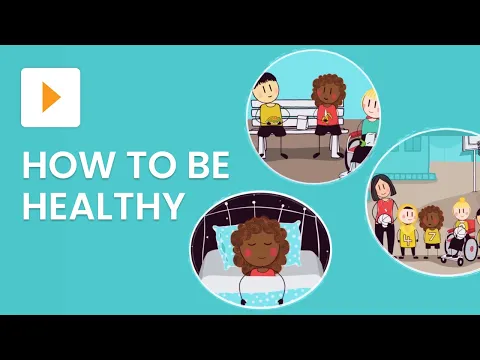
(Twinkl Teaching Resources - United States, 2026)
(ClickView, 2021)
On This Page
Screening and Immunisation
Supporting preventive health through family partnerships, enrolment records, health checks and recommended vaccinations.


Medication Administration
Illness, Allergies and Medical Conditions
Wellbeing and Healthy Development



Ensuring medication is stored, authorised, checked and administered safely according to service procedures.
Managing illness, infection control, exclusion periods and individual health needs such as asthma, anaphylaxis and diabetes.
Promoting emotional wellbeing, resilience, belonging and positive relationships.
Laws and frameworks Guiding Health and Wellbeing Practices
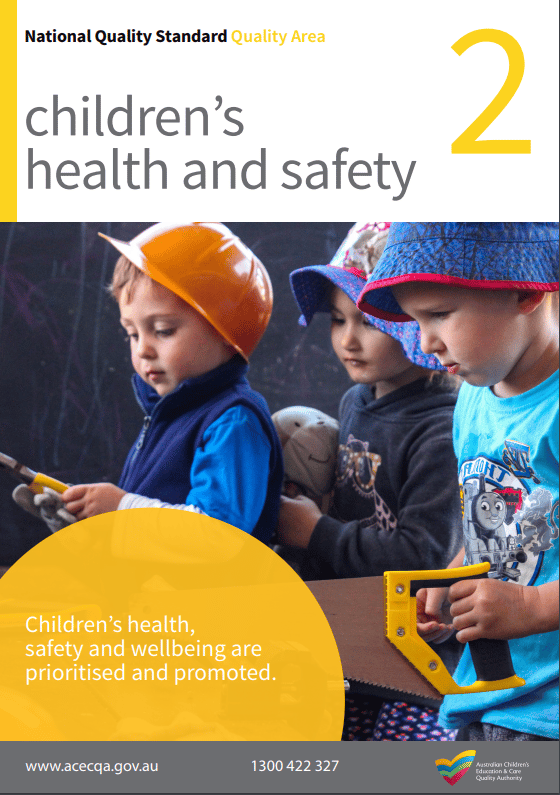
Children's Health and Safety acknowledges that health and wellbeing are vital to learning and development for children. With regard to health, QA2.1 relates to supporting children's physical health, comfort, and emotional wellbeing by fostering healthy eating habits, hygiene, rest and sleep, physical exercise, managing illness, and responsive care. It also supports children to develop secure relationships and feel safe, calm and valued in their environments. These practices encourage children to develop healthy habits and resilience (ACECQA, 2018; AGDE, 2022).
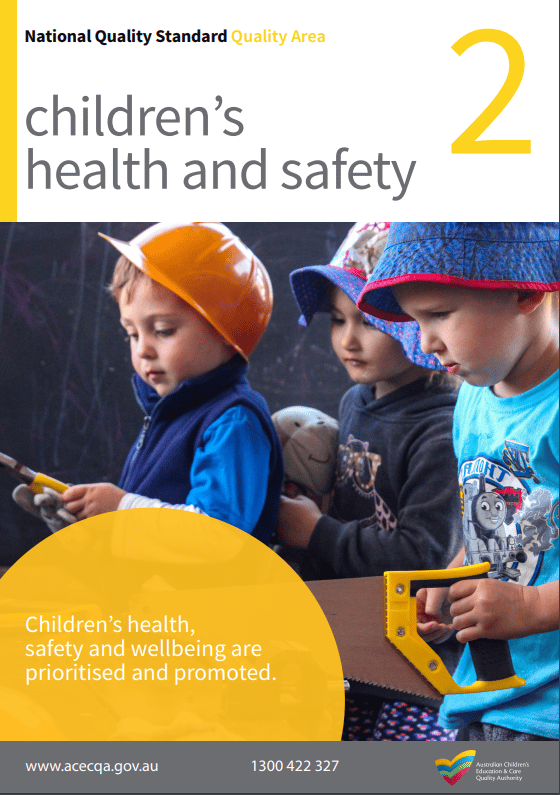
National Quality Standard (Quality Area 2)
My Personal Health Record
National Principles for Child Safe Organisations
Early Years Learning Framework
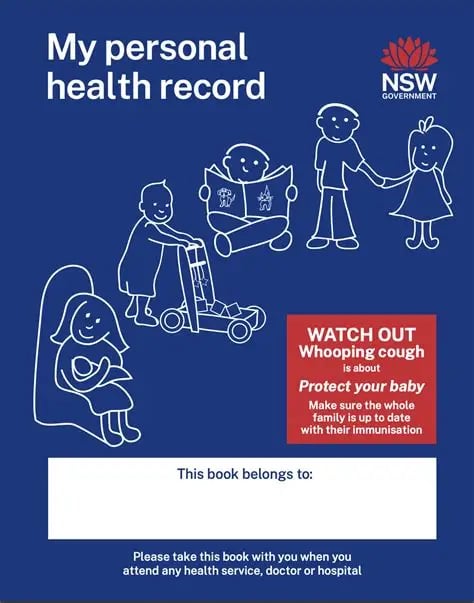
The Personal Health Record Book tracks a child's health from birth through early childhood, including immunizations, growth checks, screenings, developmental milestones, medical history, and important appointments. These records help families and health professionals monitor development and wellbeing over time (Department of Health Victoria, 2021.)
In early childhood settings, educators can encourage families to update these records and use them as a reference during discussions. Maintaining this information supports continuity of care, regular health checks, early intervention for concerns, and strong partnerships among families, educators, and health services (NSW Health, 2017)
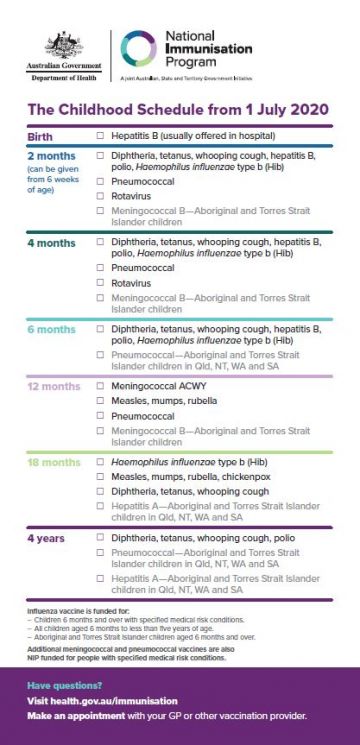
Keeping children healthy is supported by the Victorian Immunisation Program as it protects children against vaccine preventable diseases and reduces transmission. Vaccination has been proven to be safe and effective at preventing illness. Routine vaccines are available at no-cost for eligible children through the National Immunisation Program (Victorian Department of Health, 2021.).
Up-to-date immunisations for children in early childhood services help protect vulnerable children and meet requirements for enrolment. In Victoria, families are required to provide an immunisation history statement in order for their child to enrol under the No Jab, No Play legislation (Victorian Department of Health, 2021.).
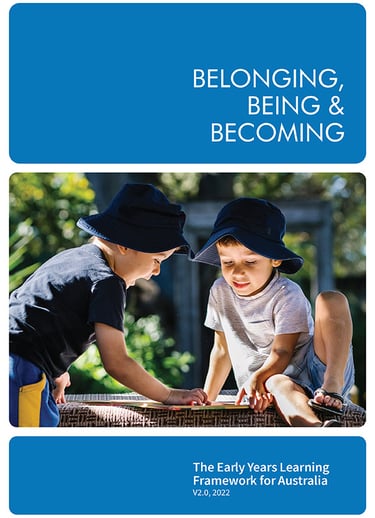
The EYLF promotes children’s health and wellbeing through secure relationships, family partnerships, responsive care, healthy environments and intentional teaching. It recognises that children thrive when their physical, emotional, social and psychological needs are consistently supported. Outcome 3: Children have a strong sense of wellbeing highlights emotional wellbeing, physical health, resilience, self-regulation, movement confidence and increasing responsibility for healthy practices such as hygiene, nutrition and personal safety (AGDE,2022).
Teaching Health and Wellbeing to Infants
0-2 Years


(Kimberly Maya, 2023)
(NurturEd Early Learning Center, 2026)
Teaching Health and Wellbeing to Toddlers
2-3 Years


(WATE 6 On Your Side, 2024)
(Caleb Kids Show, 2026)
Teaching Health and Wellbeing to Pre-Schoolers
3-5 Years


(CBC News, 2026)
(The Sydney Morning Herald and The Age, 2026)
Get In Touch With Us
info@childwellnesshub.com