Keeping Young Children Safe
Every child has the right to feel safe, respected and protected.
Early childhood teachers play a vital role in creating safe environments, preventing harm, and responding appropriately to every situation.
Why Safety Matters
Safety is essential for children's learning, development, and wellbeing. When children feel safe and supported, they build trust and confidently engage in exploration and play, taking developmentally appropriate risks with the assurance that adults will keep them safe (AGDE, 2022; ACECQA, 2018.)
Safety encompasses more than just physical security; it includes active supervision, positive relationships, predictable routines, good hygiene, and environments free from fear or discrimination. These elements are crucial for developing resilience, emotional regulation, and a sense of belonging (AGDE, 2022; ACECQA, 2018.)
Moreover, safe learning environments foster trust between educators and families, which is a key component of educators' professionalism and legal duty. Children who feel safe are more likely to learn, grow, and thrive (AITSL, 2017; ACECQA, 2018)

(Uniting , 2026)
On This Page
Service Environments
Maintaining safe, healthy, inclusive and well-managed indoor and outdoor environments to promote children's wellbeing, learning and development.
Maltreatment, Abuse and Neglect
Emergency Situations
First Aid

Identifying indicators of abuse or neglect, taking appropriate action and following reporting procedures to ensure children's safety and rights are upheld.
Planning for, practising and responding safely and effectively to emergencies such as fire, lockdowns, extreme weather events or evacuations..
Administering appropriate first aid, treating injuries and maintaining medical kits in accordance with service procedures and regulations.

Laws and frameworks Guiding Safe Practices
Quality Area 2 from National Quality Standard aims to ensure children's health, safety and wellbeing is protected while attending education and care services. This includes requiring appropriate supervision, minimisation of risks, keeping children safe from harm and infection, along with providing practices that promote children's health such as hygiene, nutrition, safe sleep and emergency procedures (ACECQA, 2020). QA2 strengthens understanding of how children learn best when they feel safe, secure and well therefore keeping children safe is imperative to providing quality education and care (AGDE, 2022; ACECQA, 2018).
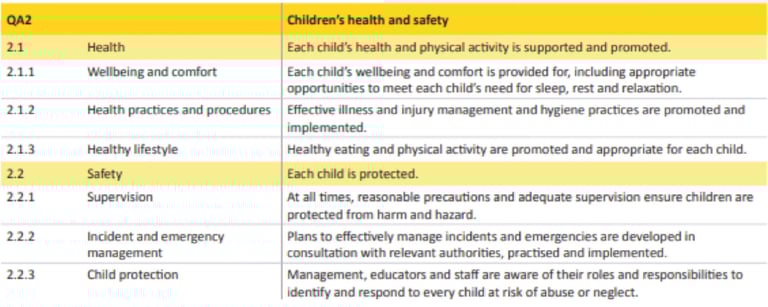
National Quality Standard (Quality Area 2)
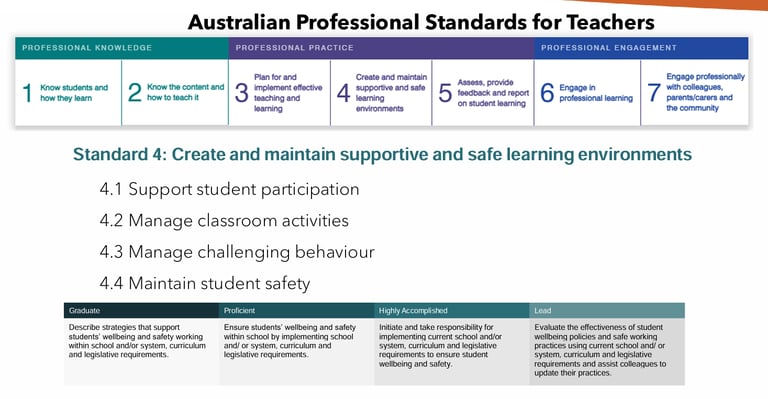
Australian Professional Standards for Teachers (Standard 4)
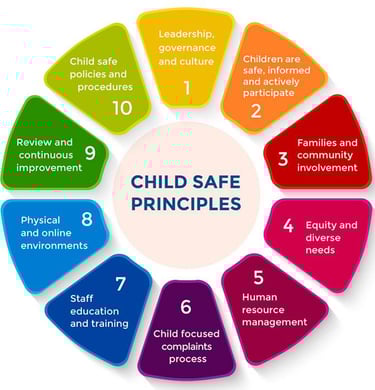
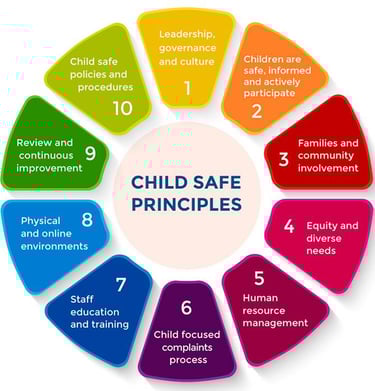
National Principles for Child Safe Organisations
The National Framework for Protecting Australia’s Children 2021–2031

Australian Human Rights Commission
APST Standard 4 ensures teachers ‘plan and implement learning environments that are safe, inclusive, respectful and well organised, that support participation, promote positive behaviour, minimise risk and respond to children's wellbeing needs’. It highlights the significance of establishing positive relationships and environments in which every child feels confident to participate. Standard 4 in an early childhood setting encourages teachers to maintain calm, respectful environments where children feel safe, valued and ready to learn. (AITSL, 2022).
Australian child protection legislation governs educators' and approved services' responsibilities to keep children safe from abuse, neglect and harm. Areas covered include duty of care, mandatory reporting, Working With Children Checks, child safe policies and responding to concerns/disclosures. All states and territories have separate legislation but similarly focus on the safety and wellbeing of children and managing concerns legally and swiftly (Australian Government, 2022).
The Australian Human Rights Commission upholds and advocates for the rights, dignity and safety of all people, including children. The Commission works towards ensuring equality, inclusion, freedom from discrimination, and every child’s right to safety, education, participation and wellbeing. When applied in early childhood contexts, human rights values strengthen respectful, inclusive and child-centred practice in which every child is treated equitably and with dignity (Australian Human Rights Commission, 2023).
The National Framework for Protecting Australia’s Children 2021–2031 articulates Australia's long-term vision to enhance the safety and wellbeing of children. Prioritising prevention and early intervention, the framework emphasises family support and responsive systems that work together around children's needs. It acknowledges that all of the systems and people that children engage with have shared responsibility for keeping them safe. The ultimate aim is for all children to grow up safe, respected and able to thrive (Department of Social Services, 2021)
Teaching Safety to Infants
0-2 Years


(LiaChaCha - Nursery Rhymes & Baby Songs, 2026)
(Learning Care, 2019)
Teaching Safety to Toddlers
2-3 Yeras

(Paisley's Corner - Educational Videos for Kids, 2024)
(jill2887, 2018)
Teaching Safety to Pre - Schoolers
3-5 Years


(OverlandParkFD, 2026)
(CNA, 2022)
Get In Touch With Us
info@childwellnesshub.com